

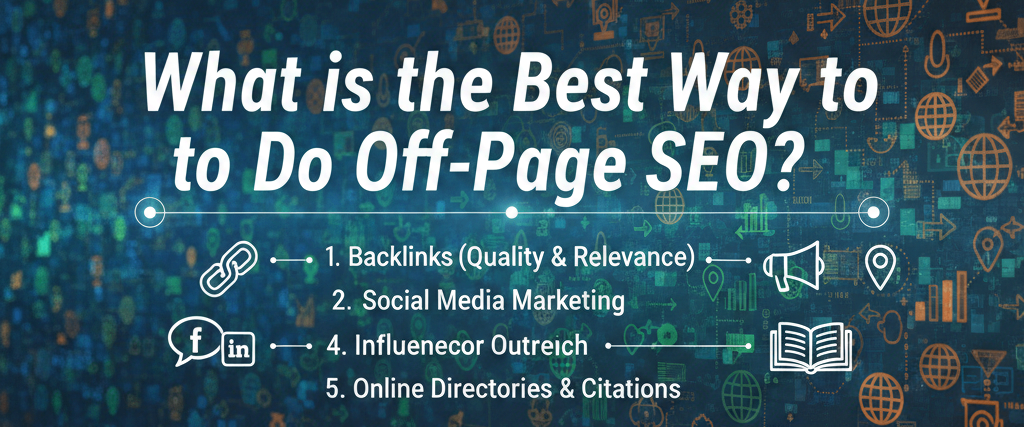
Off-page SEO is one of the most crucial aspects of search engine optimization that many beginners overlook. While on-page SEO focuses on optimizing elements within your website, off-page SEO encompasses all the strategies and techniques you implement outside your website to improve its authority, relevance, and ranking in search engine results. In this comprehensive guide, we’ll explore the best ways to do off-page SEO in 2025 and beyond.
Understanding Off-Page SEO
Off-page SEO refers to all optimization strategies that occur away from your website. These include building backlinks, generating brand mentions, social media engagement, influencer marketing, and more. Search engines like Google view off-page signals as votes of confidence for your content. When other reputable websites link to your site or mention your brand, it tells search engines that your content is valuable and trustworthy.
The primary goal of off-page SEO is to increase your domain authority, build brand credibility, and drive more organic traffic from search results. A strong off-page SEO strategy can significantly boost your rankings, especially for competitive keywords in your niche.
Key Off-Page SEO Strategies
Building High-Quality Backlinks
Backlinks remain the most important ranking factor in Google’s algorithm. A backlink is a link from another website pointing to your website. The quality of these links matters far more than the quantity. One backlink from an authoritative website like Forbes or TechCrunch is worth hundreds of links from low-quality directories.
To build high-quality backlinks, consider these approaches:
Guest Posting: Write valuable articles for established blogs and websites in your niche. This provides exposure to new audiences while earning a relevant backlink.
Broken Link Building: Use tools like Ahrefs or SEMrush to find broken links on high-authority websites, then reach out to propose your content as a replacement.
Skyscraper Technique: Create comprehensive, high-quality content on popular topics, then outreach to websites linking to older versions of similar content.
Resource Page Links: Find resource pages in your industry and request to be included if your content genuinely adds value.
Guest Blogging and Content Collaboration
Guest blogging is an excellent way to establish authority in your industry while acquiring valuable backlinks. Write in-depth, original articles for reputable blogs in your niche. Ensure your articles provide real value to the host website’s audience, not just promotional content. Content collaboration with complementary brands or influencers can also expand your reach.
Social Media Engagement and Sharing
While social media links are typically nofollow and don’t directly pass SEO value, they play an indirect role in off-page SEO. A strong social media presence helps increase content visibility, generate more brand searches on Google, drive traffic that leads to natural backlinks, and establish brand authority. Share your content regularly on LinkedIn, Twitter, Facebook, Instagram, and TikTok.
Influencer Outreach and Partnerships
Collaborating with influencers in your industry can dramatically increase your brand visibility. Identify influencers who have a genuine audience overlap with your target market. Instead of asking for direct promotion, focus on building relationships and creating mutual value. Consider partnerships like sponsored content, guest posts on their platforms, joint webinars or podcasts, product collaborations, and influencer reviews of your products or services.
Managing Brand Mentions and Citations
Brand mentions, even without backlinks, signal relevance to search engines. Monitor when your brand is mentioned online using tools like Google Alerts or Mention. If high-authority websites mention your brand without a link, consider reaching out to request a link. For local businesses, citations in directories like Google My Business, Yelp, and local business directories are critical. Ensure your NAP information is consistent across all platforms.
Creating Linkable Assets
Invest in creating content so valuable that other websites naturally want to link to it. This could include original research and case studies, comprehensive guides and tutorials, infographics and visual content, tools and calculators, industry reports and statistics, and video content and tutorials. When you create genuinely useful resources, earning backlinks becomes much easier and more natural.
Local SEO and Business Listings
If you have a local business, optimize your presence in local search results. Claim and optimize your Google My Business listing with accurate information, high-quality photos, and regular posts. Encourage satisfied customers to leave reviews on Google, Yelp, and industry-specific review platforms. Local citations and backlinks from community organizations, local news outlets, and industry associations boost your local SEO performance significantly.
Forum Participation and Q&A Sites
Participate genuinely in forums, Reddit, and Q&A sites like Quora and Stack Overflow. While most links on these platforms are nofollow, active participation builds authority, drives referral traffic, and provides networking opportunities. Share your expertise without being overly promotional. This helps establish you as a thought leader in your industry.
Best Practices for Off-Page SEO Success
Focus on Quality Over Quantity: A few links from authoritative, relevant websites outweigh dozens from low-quality sources. Build Natural Links: Avoid link schemes, paid links, or artificial link-building tactics. Google penalizes manipulative linking practices. Create Shareable Content: The best backlinks come from creating content so good that people want to share and link to it naturally.
Maintain Consistency: Off-page SEO is a long-term strategy. Build links and authority gradually over time. Monitor Your Progress: Use tools like Google Search Console, Ahrefs, SEMrush, and Moz to track your backlinks, domain authority, and search rankings. Build Genuine Relationships: The best off-page SEO comes from authentic relationships with other content creators, influencers, and brands in your industry.
Conclusion
Off-page SEO is essential for achieving top rankings in search results. By building high-quality backlinks, engaging on social media, creating valuable content, and establishing genuine industry relationships, you can significantly improve your website’s authority and visibility. Remember that off-page SEO is not a quick fix but a long-term investment in your website’s success. Start implementing these strategies today, and you’ll see measurable improvements in your organic search performance over time. The key is consistency, patience, and focus on providing genuine value to your audience.